Introduction
Cricket fans increasingly access digital sports platforms from smartphones, tablets, laptops, and desktop computers. Managing these devices properly can help users keep track of where their account is being accessed and identify unfamiliar activity. An Online Cricket Id provides users with a digital account environment for accessing available cricket-related information and platform features.
Device management becomes particularly useful when users switch between personal devices or occasionally access their account from another location. Keeping a simple record of trusted devices can make account security easier to manage.
Understanding Active Sessions
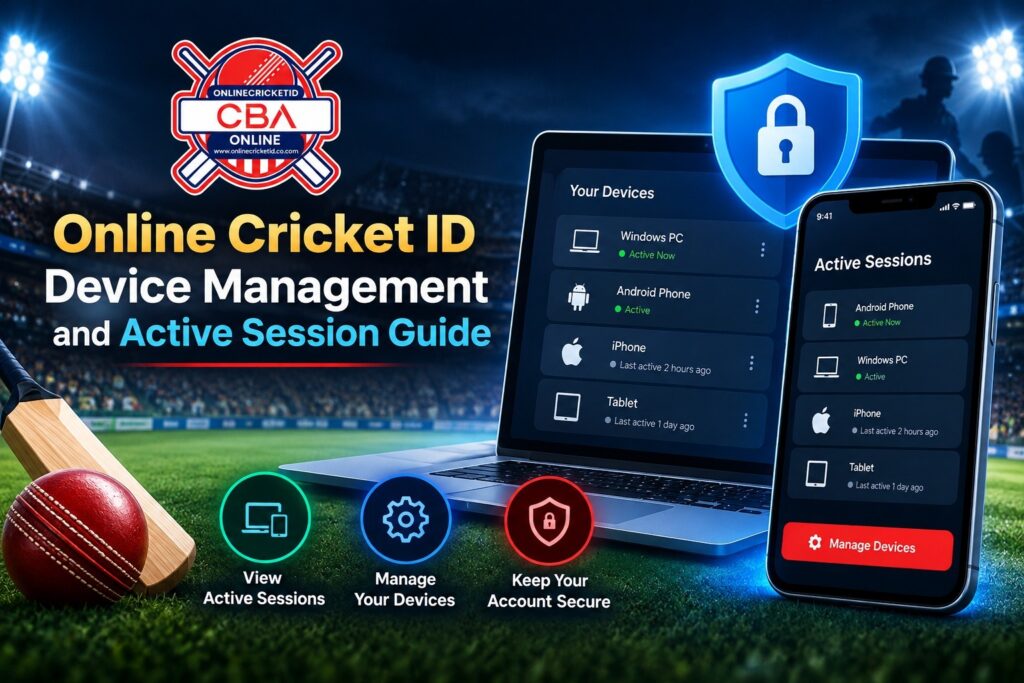
An active session generally refers to an account that is currently signed in through a particular browser, device, or platform environment. Depending on the service, users may be able to view or manage active sessions from their account settings.
Common examples include:
- Smartphone browser sessions
- Tablet sessions
- Desktop browser sessions
- App-based sessions
- Previously authorised devices
The exact controls available can vary between platforms.
Regular Device Checks
A regular account review can help users recognise devices they no longer use. This is especially useful after replacing an old smartphone, sharing a computer, or signing in from a temporary device.
Users can check:
- Devices currently associated with the account
- Recent account activity
- Browser sessions
- Unfamiliar access
- Previously used devices
If a platform provides a session-management option, users should review the information periodically.
Managing Old Devices
Old devices can remain relevant to account security if they have saved passwords, browser sessions, or other account information.
Before giving away or selling a device, users should consider:
- Signing out of online accounts
- Removing saved credentials
- Clearing browser data
- Removing unused applications
- Performing the device manufacturer’s recommended reset
These steps can reduce the chance of another person accessing previously stored account information.
Protecting Account Login Details
Device management works alongside good password practices. Users should never share their account credentials with other people, even when using a familiar device.
For authorised account access, users can use login through the appropriate website address.
Useful security habits include:
- Use a unique password
- Avoid sharing login details
- Do not save credentials on public computers
- Check the website address before signing in
- Sign out after using a shared device
Mobile Device Considerations
Smartphones are often used for checking cricket information while travelling or away from a desktop. Mobile security settings can therefore have an important role in protecting account access.
Users should keep their phone’s operating system and browser updated. A screen lock, biometric protection, or device PIN can also help protect stored information if the phone is misplaced.
The site’s Device Information Guide provides additional information about technical details that online platforms may use for compatibility and security purposes. (Device Information Guide)
Shared Computers and Public Devices
Public or shared computers require additional caution. Users should avoid saving passwords or leaving an account signed in after finishing a session.
Before leaving a shared device, check:
- Account logout status
- Saved passwords
- Browser autofill
- Downloaded account information
- Browser history where appropriate
Personal devices are generally easier to control because users can manage their security settings directly.
Recognising Unfamiliar Activity
Unexpected account activity should not automatically be ignored. If an unfamiliar device or session appears in an account-security section, users should review recent access and follow the platform’s account-recovery or security procedures where available.
Changing a password can be an appropriate step when account credentials may have been exposed.
For additional security information, users can also read the site’s Two-Step Verification Guide. (Two-Step Verification Guide)
Keeping Device Information Updated
Good account management is an ongoing process rather than a one-time task. Users who regularly change phones, browsers, or computers should review their account access after each major device change.
A simple routine can include:
- Checking active sessions periodically
- Removing access from unused devices
- Updating passwords when necessary
- Reviewing security settings
- Keeping devices updated
Conclusion
Online Cricket ID device management can help users maintain better awareness of where their account is being accessed. Reviewing active sessions, removing old devices, protecting login details, and using secure personal devices can contribute to safer account management.
A few regular checks can make digital cricket access more organised while helping users maintain control over their account information across smartphones, tablets, and computers.
FAQs
What is an active account session?
An active session is generally a current signed-in connection between an account and a device or browser.
Should old devices be removed from an account?
If the platform provides device or session controls, removing unused or unfamiliar devices can help maintain better account management.
Is it safe to save login details on public computers?
It is better to avoid saving account credentials on shared or public computers.
What should users do after losing a phone?
Users should secure the device where possible, review account sessions, and change account credentials if they may have been exposed.
How often should account devices be reviewed?
A periodic review is useful, especially after changing phones, browsers, computers, or other devices.